Understanding Tooth Sensitivity and How It Can Be Treated
Tooth sensitivity is a common concern that can affect daily comfort. A sudden sharp sensation when drinking something cold, enjoying a hot beverage, or biting into something sweet can make simple moments uncomfortable. While occasional sensitivity may seem minor, ongoing discomfort often signals that teeth need attention.
At Taylor Made Smiles in Monroe, patients who experience tooth sensitivity receive care focused on identifying potential causes and supporting long-term comfort. Sensitivity can have several contributing factors, and understanding what may be behind it helps guide appropriate care decisions.
Tooth sensitivity occurs when the protective layers of the tooth are compromised or when the inner portion of the tooth becomes more exposed. The result is a heightened response to temperature changes, touch, or certain foods and beverages. While sensitivity is common, persistent discomfort should not be ignored.
Why Tooth Sensitivity Happens
Healthy teeth are protected by enamel, a strong outer layer that shields the inner dentin and nerve. Beneath the enamel lies dentin, which contains tiny tubules that connect to the nerve of the tooth. When enamel wears down or when gum tissue recedes, dentin can become exposed. This exposure allows external stimuli, such as heat, cold, or acidity, to reach the nerve more easily.
Sensitivity may also occur gradually over time. Dietary habits, oral hygiene techniques, and natural aging can all influence enamel strength and gum health. In some cases, sensitivity develops temporarily following specific dental procedures, while in others it may indicate structural concerns that require evaluation.
Understanding the potential causes of tooth sensitivity makes it easier to seek care before discomfort worsens or underlying conditions progress.
Common Causes of Sensitive Teeth
Enamel Wear and Acid Exposure
Enamel can wear down slowly over time. Frequent exposure to acidic foods and beverages, aggressive brushing, or tooth grinding can contribute to thinning enamel. When enamel becomes thinner, it offers less protection to the inner tooth structure, increasing the likelihood of sensitivity.
Even healthy habits can sometimes have unintended effects. Citrus fruits, carbonated beverages, and certain sports drinks contain acids that may gradually weaken enamel. Brushing immediately after consuming acidic foods can also contribute to enamel erosion if the enamel has temporarily softened.
Because enamel does not regenerate once lost, protecting it through preventive dental care is essential. Addressing sensitivity early can help preserve remaining enamel and reduce further discomfort.
Gum Recession and Exposed Root Surfaces
Gum tissue protects the roots of teeth. When gums recede, whether due to periodontal concerns, brushing technique, or natural changes over time, the root surfaces may become exposed. Unlike enamel, the root surface is covered by a softer material that is more vulnerable to external stimuli.
Exposed roots are particularly sensitive to temperature changes and certain foods. Sensitivity in these areas may feel sharp or sudden. Monitoring gum health through routine dental visits helps identify recession early and supports timely management.
Maintaining healthy gum tissue is a key component of overall oral health and plays a direct role in minimizing tooth sensitivity.
Cavities, Cracks, and Worn Dental Work
Tooth sensitivity can sometimes signal structural damage. Cavities weaken the tooth structure, allowing external stimuli to reach deeper layers. Small cracks or fractures may also create pathways that increase sensitivity.
Existing dental restorations, such as fillings or crowns, can wear over time. If margins begin to open or materials deteriorate, sensitivity may develop. Identifying these issues early allows appropriate restorative care to protect the tooth and restore comfort.
Because sensitivity can stem from various causes, a professional evaluation helps determine whether the discomfort is related to enamel wear, gum recession, decay, or another concern.
How Tooth Sensitivity Is Evaluated
Identifying Patterns and Possible Triggers
Evaluating tooth sensitivity typically begins with a discussion of symptoms. Noting when sensitivity occurs, how long it lasts, and what triggers it provides helpful context. Some patients experience discomfort only with cold beverages, while others notice sensitivity when brushing or chewing.
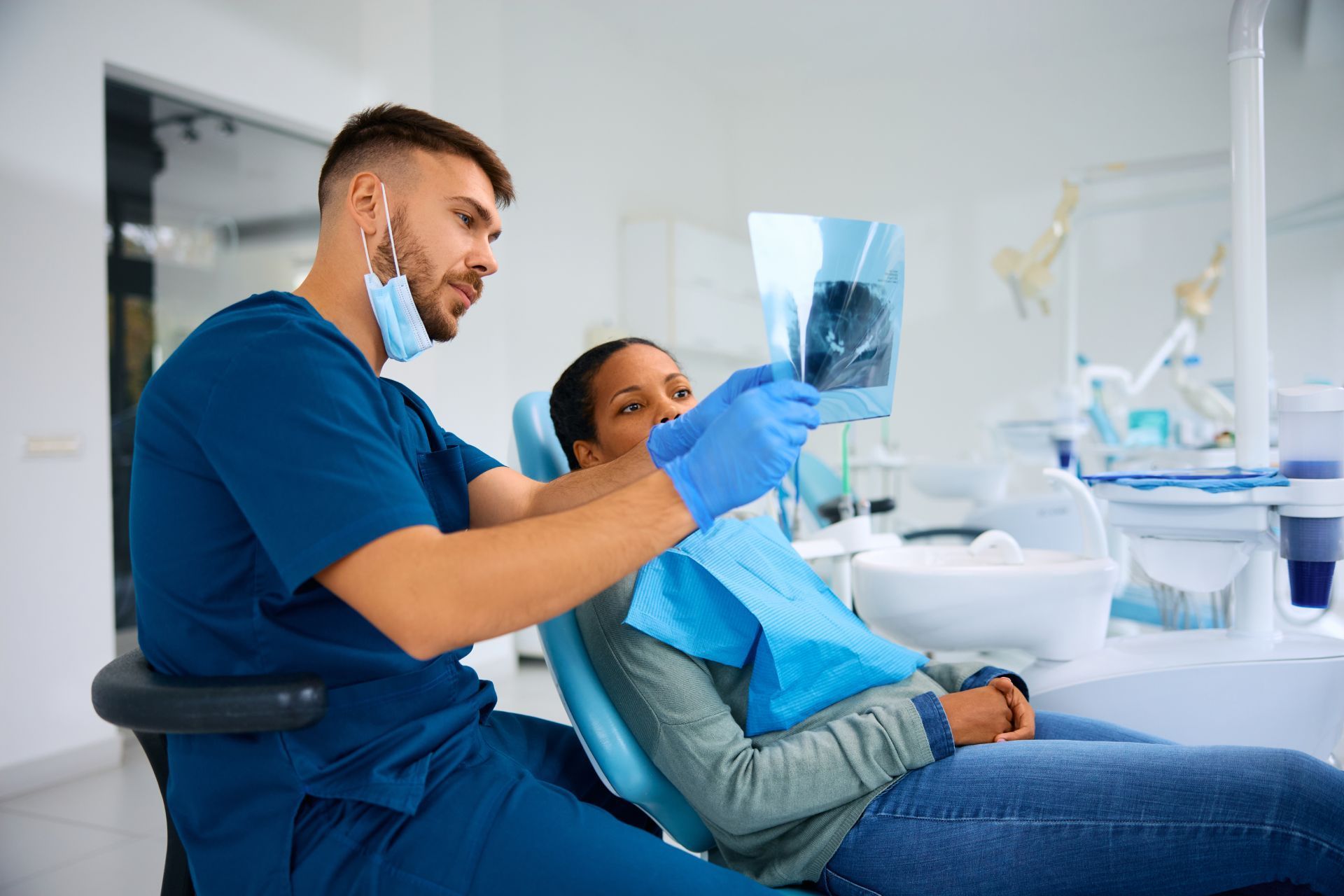
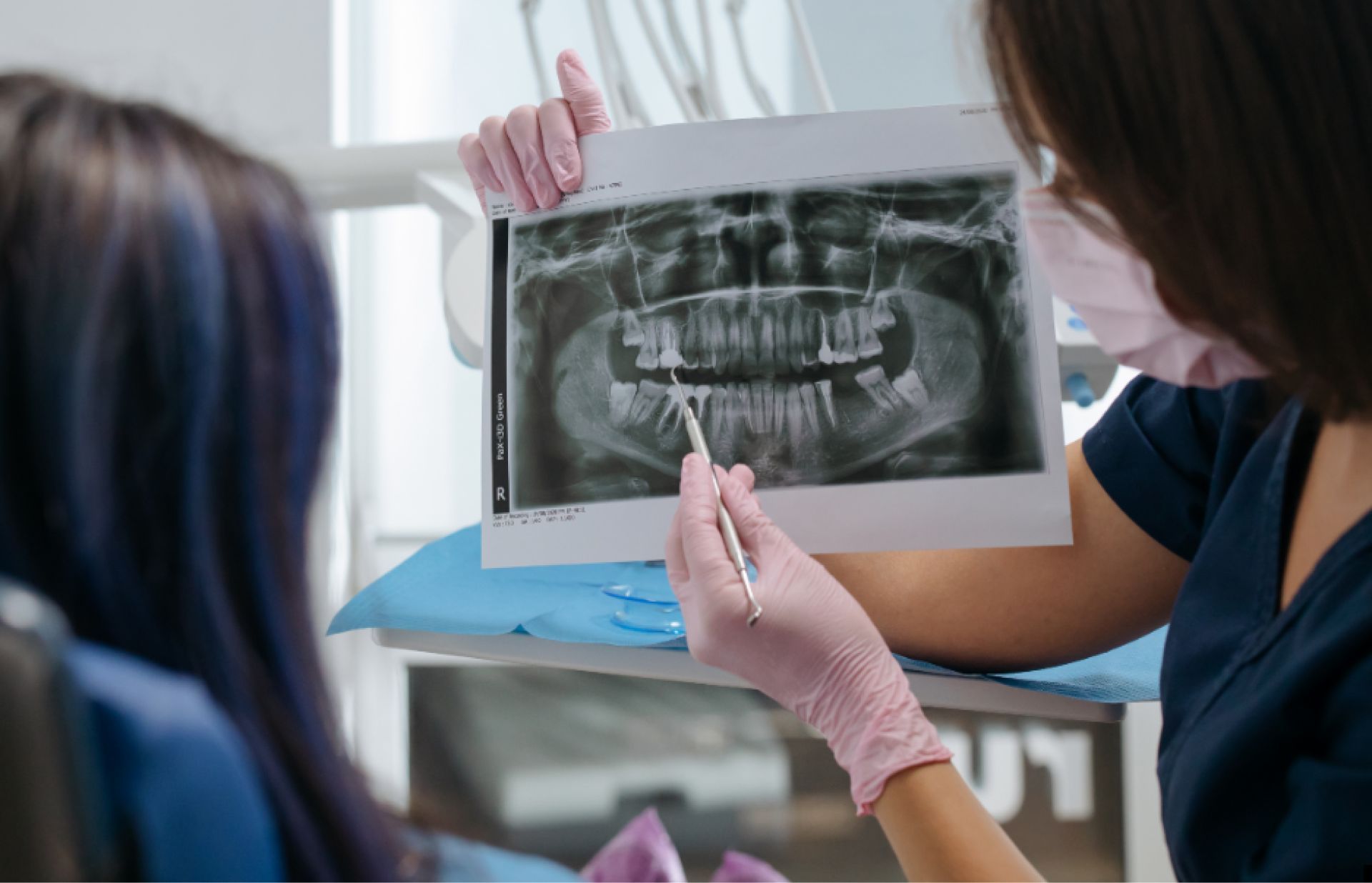
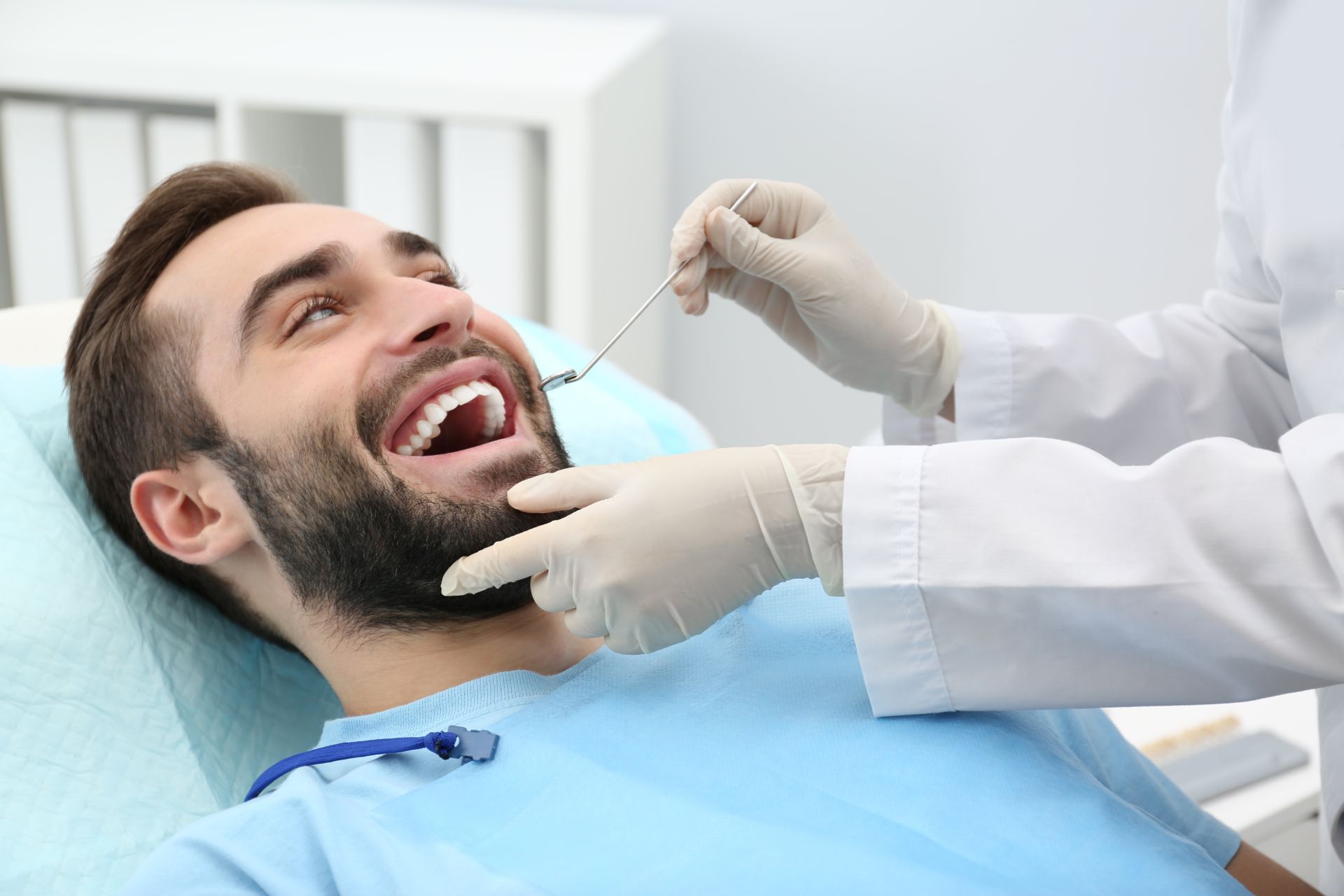
A visual examination of the teeth and gums may reveal signs of enamel wear, recession, decay, or damage. Diagnostic imaging may also be used when necessary to assess areas not visible during a visual exam. Imaging can help identify cavities between teeth, cracks beneath the surface, or bone changes that may contribute to sensitivity.
Sensitivity may be temporary in some situations, such as after whitening treatments or dental cleanings. In other cases, persistent discomfort may indicate a need for targeted treatment. Identifying the source of sensitivity allows care recommendations to focus on addressing the underlying issue rather than only the symptom.
Treatment Options for Sensitive Teeth
Professional Desensitizing and Fluoride Applications
Fluoride treatments and desensitizing agents are commonly used to help reduce sensitivity. These treatments strengthen enamel and help block the microscopic tubules within dentin that transmit sensation to the nerve. Professional applications provide concentrated support beyond what is available in over-the-counter products.
Desensitizing treatments may be recommended when enamel weakening or exposed dentin is contributing to discomfort. These conservative approaches aim to reinforce tooth structure and improve comfort without altering the natural tooth. Desensitizing treatments typically involve applying a protective solution to the tooth surface that helps seal the tiny openings leading to the nerve, reducing sensitivity and supporting lasting relief.
Restorative Solutions When Needed
If sensitivity is linked to structural concerns such as cavities, cracks, or worn restorations, restorative treatment may be appropriate. Fillings can address decay, while bonding or crowns may help protect cracked or significantly worn teeth.
When gum recession contributes to sensitivity, periodontal care may be recommended to support gum health and protect exposed areas. Addressing underlying concerns helps prevent further damage and promotes long-term comfort.
Treatment recommendations depend on the cause of sensitivity. A comprehensive evaluation helps determine which approach best supports oral health and reduces discomfort.
When to Schedule an Appointment
Occasional sensitivity that resolves quickly may not require immediate attention. However, sensitivity that persists, worsens, or interferes with daily activities warrants evaluation. Sharp pain when biting down, lingering discomfort after consuming hot or cold foods, or sensitivity accompanied by swelling or visible damage should not be ignored.
Early assessment can prevent minor issues from developing into more extensive concerns. Addressing sensitivity promptly supports both comfort and long-term oral health.
Supporting Long-Term Comfort and Oral Health
Tooth sensitivity often reflects changes in enamel, gum health, or tooth structure. Maintaining consistent oral hygiene, using a soft-bristled toothbrush, and selecting an appropriate toothpaste can help preserve enamel. Limiting frequent exposure to acidic foods and beverages may also help reduce enamel wear.
Routine dental exams and cleanings play a significant role in identifying early signs of enamel erosion, gum recession, or decay. Preventive care supports strong teeth and helps reduce the likelihood of sensitivity developing or progressing.
At Taylor Made Smiles in Monroe, care is centered on supporting lasting oral health and everyday comfort. Addressing tooth sensitivity involves more than reducing discomfort. It requires identifying contributing factors and protecting the strength and integrity of natural teeth over time.
If tooth sensitivity is affecting daily comfort, a professional evaluation can help determine the cause and guide appropriate care. Contact Taylor Made Smiles in Monroe at 770-267-4404 or visit the website to schedule an appointment and take the next step toward improved oral comfort.