Signs You May Need a Dental Crown
Tooth damage is not always noticeable right away. A small crack, some wear, or lingering sensitivity might seem minor at first, but over time, those changes can affect how well a tooth holds up. When a tooth starts to weaken, a dental crown may be the right way to protect it and maintain its strength.
At Taylor Made Smiles in Monroe, patients are sometimes unsure whether what they are feeling is something to be concerned about. In many cases, subtle changes in how a tooth feels can be an early sign that it needs more support. Knowing what to look for makes it easier to address concerns early and prevent further damage.
Why Dental Crowns Are Used in Restorative Dentistry
A dental crown is a custom restoration that covers the visible portion of a tooth. We use crowns to protect teeth that have been weakened by decay, damage, or wear, while restoring their shape and function.
Crowns are typically recommended when a tooth needs more support than a filling can provide. Fillings work well for smaller areas, but when a larger portion of the tooth is affected, a crown offers more complete coverage and helps the tooth handle everyday pressure.
Crowns are also designed to blend in with your natural teeth. The goal is not only to restore strength, but also to maintain a natural appearance so your smile continues to look like your own.
Common Signs a Dental Crown May Be Needed
Persistent Tooth Pain or Sensitivity
Ongoing discomfort is often one of the first signs that something is not quite right. Sensitivity to heat or cold, or discomfort when biting down, can indicate changes in the structure of a tooth.
In some cases, sensitivity may be mild or temporary. When it continues or becomes more noticeable, it may be a sign that the tooth would benefit from added protection. A dental crown can help by covering the tooth and reducing the stress placed on it.
Addressing sensitivity early can help prevent further damage and improve day-to-day comfort.
Cracked, Chipped, or Worn Teeth
Teeth can become damaged in different ways. A crack or chip may occur suddenly or develop gradually over time. Even small areas of damage can weaken a tooth and make it more likely to wear down further.
We also see wear from grinding or clenching, which can slowly weaken a tooth. As that wear progresses, the tooth may become more sensitive or more likely to fracture.
A dental crown helps reinforce a weakened tooth by covering and protecting it. This added support helps the tooth hold up better with everyday use.
Large Fillings or Repeated Dental Work
Teeth that have large fillings or have been treated multiple times may not have enough natural structure left to stay strong on their own. As more of the tooth is replaced, the remaining enamel can become more vulnerable.
In these situations, a crown may be recommended to help support the tooth as a whole. By covering the entire surface, a crown helps hold everything together and reduces the chance of future damage.
Replacing older or worn dental work with a crown can help improve the long-term strength and stability of the tooth.
Teeth That Have Undergone Root Canal Treatment
Teeth that have had root canal treatment often need additional protection. While the procedure addresses concerns inside the tooth, it can leave the outer structure more prone to cracking over time.
After root canal treatment, the tooth can become more brittle over time, which may increase the risk of cracking under pressure. A dental crown helps protect the tooth by reinforcing its outer structure and supporting normal function.
Providing that added protection helps the tooth remain stable over time.
How Dental Crowns Support Long-Term Oral Health
Dental crowns play an important role in helping teeth stay strong and functional. By covering and protecting damaged areas, they help reduce the risk of further wear or fracture.
They also help restore normal chewing function. When a tooth is weakened, even everyday activities can become uncomfortable. A crown helps distribute pressure more evenly so the tooth can function more naturally.
Crowns can also help maintain proper alignment. When a damaged tooth is left untreated, it can affect how your teeth come together. Restoring that tooth helps support a more balanced bite and overall oral health.
What to Expect When a Crown Is Recommended
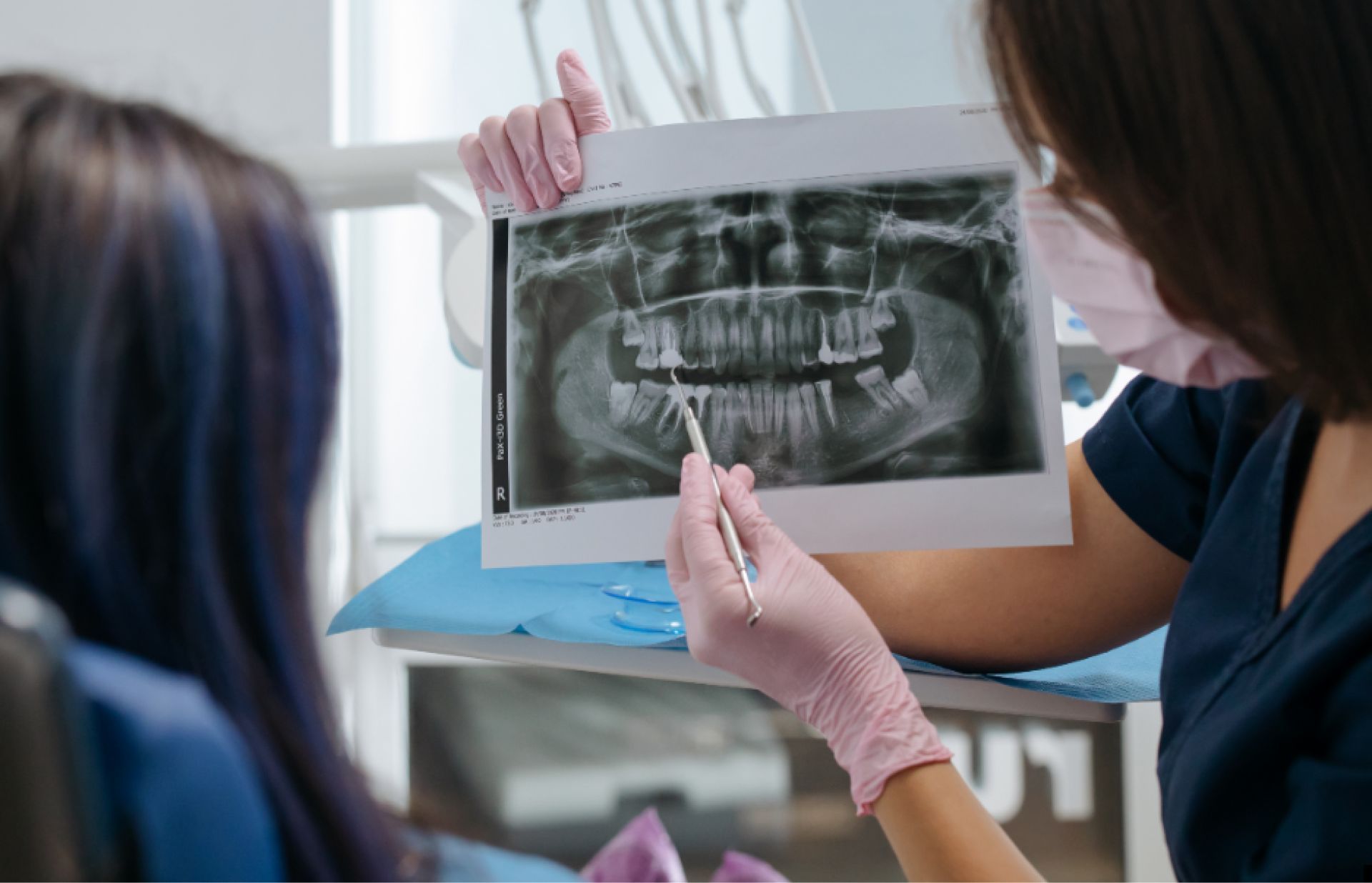
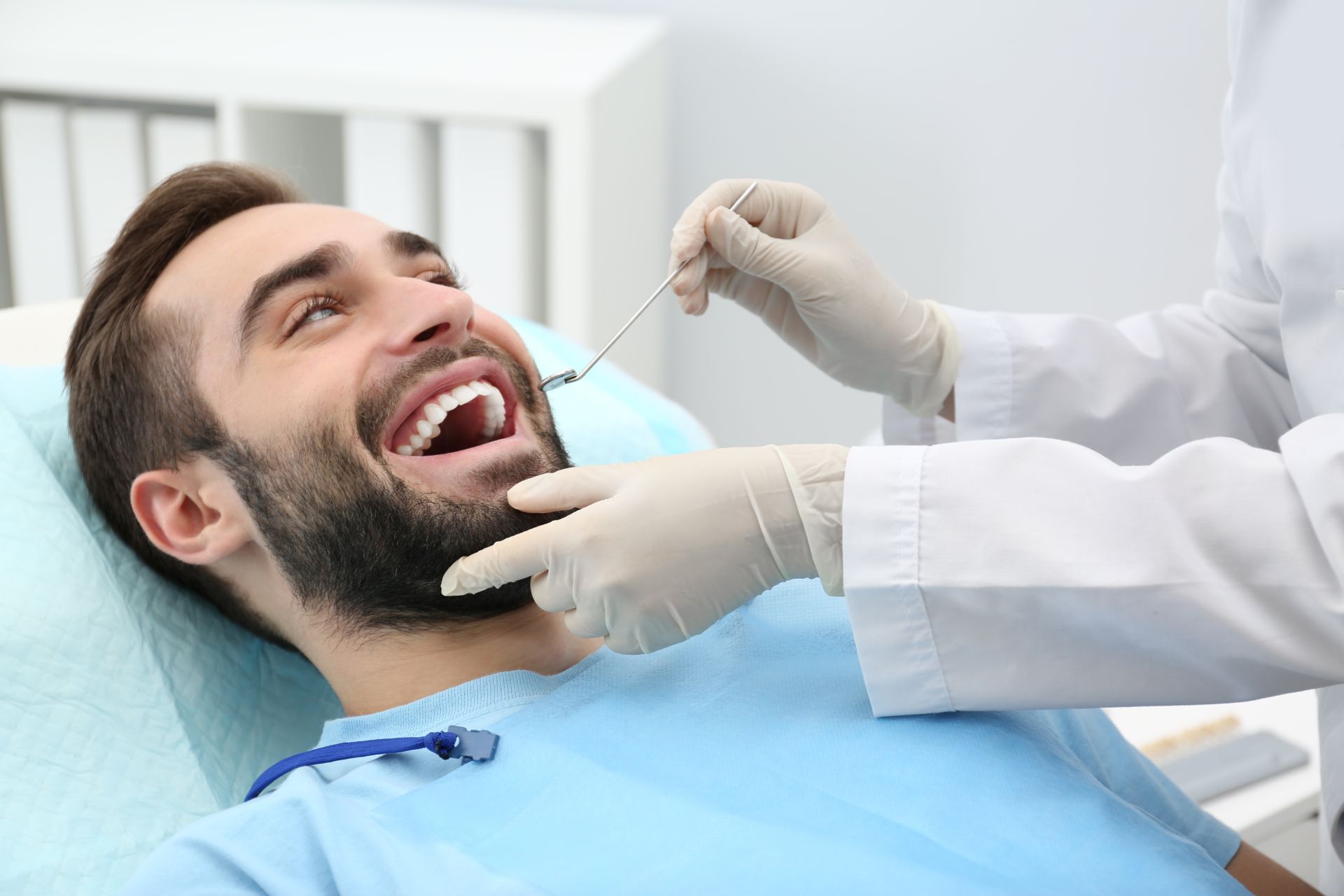
When we recommend a dental crown, we base our recommendation on what we see during an exam and how the tooth is functioning. The goal is always to protect the tooth and support long-term health.
Every situation is a little different. We look at the extent of the damage, the condition of the surrounding teeth, and what will best support the tooth moving forward. From there, we talk through the options so you understand what is recommended and why.
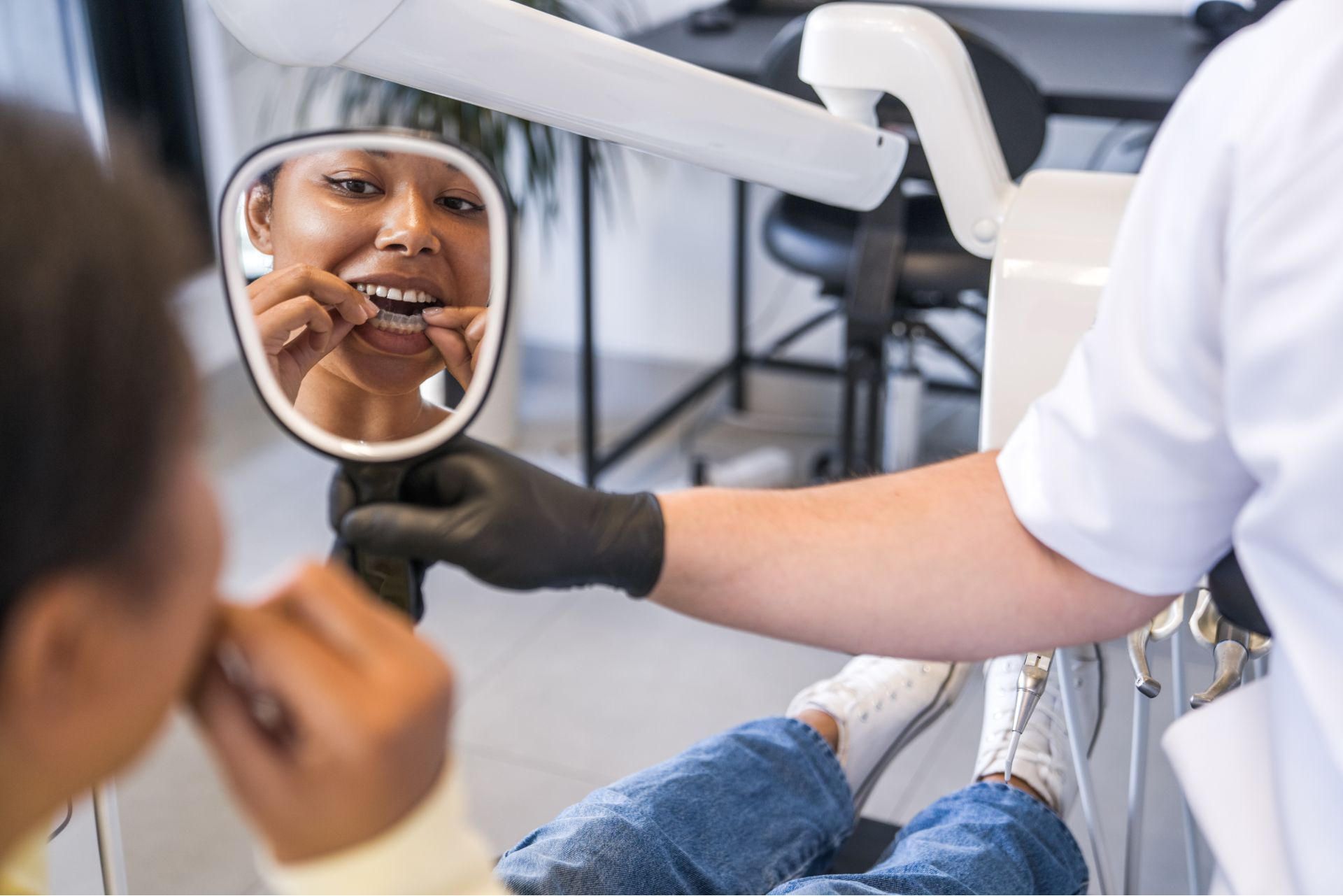
Clear communication is an important part of the process. We want you to feel comfortable with the plan and confident in the care you receive.
Supporting a Strong, Healthy Smile Over Time
Paying attention to small changes in how your teeth feel can make a big difference over time. When concerns are addressed early, they are often easier to manage and less likely to turn into larger issues.
Regular dental visits help us monitor your teeth and any existing dental work. These visits give us the chance to catch early signs of wear or damage and recommend the right solution at the right time.
At Taylor Made Smiles in Monroe, our focus is on helping you maintain strong, healthy teeth that last. Dental crowns are one way we can protect and restore teeth that need extra support.
If you have noticed changes in how a tooth feels or functions, we are here to help. Contact Taylor Made Smiles in Monroe at 770-267-4404 or visit the website to schedule an appointment and take the next step toward protecting your smile.