What Your Gums Are Telling You About Your Oral Health
Most people think about their teeth first when it comes to dental health. Your gums, however, are just as important to your oral health as your teeth. Healthy gums are the foundation on which everything else depends, and when something changes with them, your mouth is often trying to communicate something. At Taylor Made Smiles, gum health is a central part of every visit, and understanding your gums is a valuable step toward taking better care of your smile between appointments.
Healthy Gums and Your Oral Health
Your gums work with your teeth to maintain your oral health. They seal and protect the roots of your teeth, support the bone structure underneath, and create a barrier against bacteria. When your gums are healthy, they hold firmly against your teeth and keep that system functioning as it should. When they are not, the effects can reach further than most patients expect.
The relationship between gum health and overall health has been a growing area of focus in dentistry for good reason. Research has continued to point toward connections between gum disease and conditions like heart disease, diabetes, and other systemic concerns. We are not suggesting that gum problems cause those conditions outright. Still, the link between chronic inflammation in the mouth and inflammation elsewhere in the body is something to be taken seriously. Caring for your gums is not just about your smile. It is about your overall health.
What Healthy Gums Look Like
Healthy gums are pink, firm, and fit snugly around the base of each tooth. They do not bleed during regular brushing or flossing, and they do not pull away from the teeth. If you press on them gently, they should spring back quickly and should not feel spongy or remain pale. There is no persistent soreness, and the tissue appears consistent, with no areas that appear red, swollen, or irritated.
This is the baseline we are always working toward for every patient. When we see it, we know the foundation of your oral health is in good shape.
Paying Attention to the Early Signs
Gum problems rarely appear all at once. More often, they develop gradually, which is part of why they are easy to miss or dismiss early on. A little bleeding here, some mild puffiness there, maybe a sensitivity you attribute to brushing too hard. These subtle changes are exactly what we want patients to be aware of, because catching them early makes a significant difference in how straightforward treatment can be.
Changes in Your Gums You Should Not Ignore
Understanding what to watch for helps you recognize when to pay closer attention and when to reach out to us sooner rather than waiting for your next scheduled visit.
Bleeding When You Brush or Floss
This is probably the most common sign patients notice and the one most often dismissed. Bleeding gums during brushing or flossing is not a normal finding, even if it only happens occasionally. Consistent bleeding is typically an early sign of gingivitis, which is the mildest and most reversible stage of gum disease. With professional cleaning and improved dental care at home, many patients see significant improvement in a relatively short period of time.
If you have been avoiding flossing because it causes your gums to bleed, that instinct is understandable, but the solution is not usually to stop flossing. In most cases, it indicates that your gums need more consistent care, not less. When you come into our office, we are glad to walk you through proper technique and help you understand what to expect as your gum health improves.
Swelling, Tenderness, or Gums That Have Pulled Back
Swollen or tender gums often accompany bleeding and are a further indicator that inflammation is present. If you notice that your gums appear puffy or feel sore when eating or drinking, those are signs you should discuss at your next visit, or sooner if it is causing you a lot of discomfort.
Gum recession is a separate but related concern that patients sometimes notice on their own. When gums pull back from the teeth, more of the root surface becomes exposed. This can lead to increased sensitivity, particularly to temperature changes, and it affects the appearance of your smile over time. Recession can develop for several reasons, including gum disease, aggressive brushing, or factors related to tooth position. Understanding the cause allows us to determine the most appropriate approach to slow or stop further progression.
Persistent Bad Breath
Occasional bad breath after coffee or a particular meal is not a concern. Persistent bad breath that does not resolve with brushing, flossing, and adequate hydration may indicate that bacteria are accumulating below the gumline. When gum disease is present, pockets form between the teeth and gums where bacteria collect in areas that are difficult to reach with a toothbrush alone. If you have noticed that bad breath is a recurring issue despite thorough home care, that is something we want to address together.
How We Assess and Support Gum Health
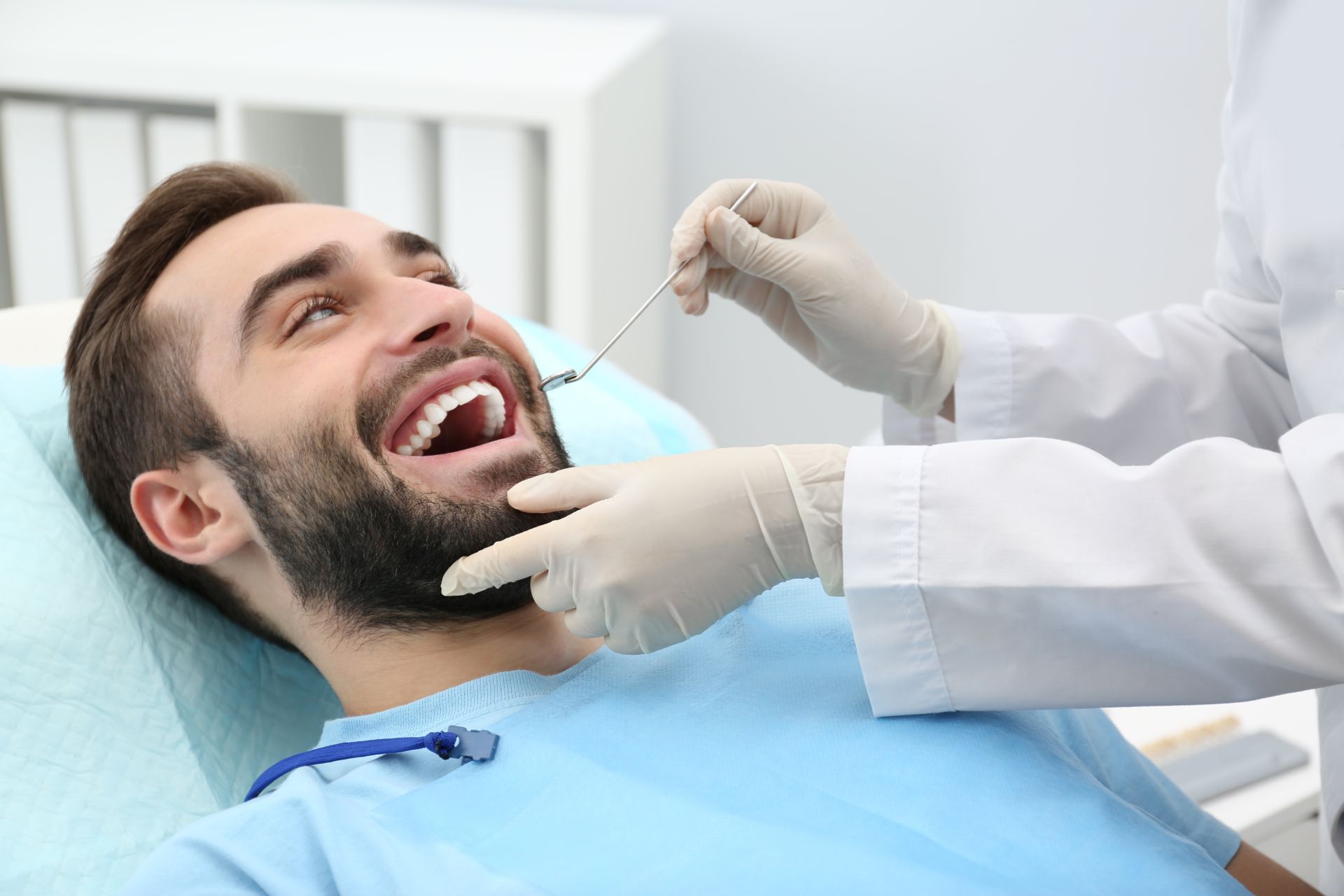
At every routine visit, a gum health assessment is part of the process. It is a standard and clinically important part of what we do.
What Happens During Your Gum Screening
Your hygienist measures the depth of the space between your gums and teeth using a small, comfortable probe. These measurements, called periodontal pocket depths, provide important information about the health of the gum tissue and the bone supporting your teeth. Healthy pockets are shallow. Deeper measurements can indicate the presence of gum disease and give us a clearer picture of how far along it may be.
We also evaluate the color and texture of the tissue, check for any recession, note areas of bleeding during probing, and compare your current readings to previous visits to identify changes over time. This gives us a thorough and accurate view of where things stand, and helps us recognize shifts in your gum health before they progress into larger concerns.
If we do identify signs of gum disease, we will discuss your options clearly and honestly. Treatment depends on the stage and severity, and we will always make sure you fully understand what we are seeing and what we recommend before moving forward.
Steps You Can Take at Home
Professional care is essential, but your habits between appointments have a large impact on your gum health. Brushing twice a day with a soft-bristled toothbrush, applying gentle pressure rather than scrubbing aggressively, and flossing daily are the cornerstones of good home care. If flossing presents a challenge, water flossers and interdental brushes are helpful alternatives we are happy to discuss with you.
Staying well hydrated supports saliva production, which naturally helps regulate bacteria in the mouth. Tobacco use is one of the most significant risk factors for gum disease, and eliminating it has a direct positive effect on gum tissue health. Diet plays a role as well. Diets high in sugar and refined carbohydrates feed the bacteria that contribute to plaque accumulation and gum inflammation.
Our goal is not to hand you a checklist. It is to help you understand how these habits support your long-term oral health and to make them feel practical and achievable within your daily routine.
Taking the Next Step
If it has been a while since your last cleaning and exam, or if you have noticed any of the signs described here, scheduling a visit is a good place to start. Our team at Taylor Made Smiles is committed to helping you understand what is happening in your mouth and to ensuring you feel supported and informed throughout your care.
Give us a call at 770-267-4404 or visit the website to schedule an appointment. We serve patients throughout Monroe and the surrounding area, and we look forward to seeing you.