What to Know About Root Canal Therapy
"Root canal" might be one of the most feared phrases in dentistry, but it isn't as intimidating as its reputation suggests. In reality, a root canal is one of the most effective ways to relieve pain and save a tooth that would otherwise need to be removed. At Taylor Made Smiles in Monroe, GA, we talk with patients about root canal therapy on a regular basis, usually because a tooth has been bothering them and they are not quite sure why. Once patients understand what the procedure actually involves, most of that worry starts to fade. This guide walks through what root canal therapy involves, the signs that suggest you might need one, and what recovery may look like.
What Is Root Canal Therapy?
Every tooth has a hollow space inside of it that houses soft tissue known as the pulp. This tissue helps nourish the tooth as it develops and contains the nerves that allow you to feel hot, cold, and pressure. When the pulp becomes infected or inflamed, whether from deep decay, a crack, or repeated dental work on the same tooth, it can cause significant pain and put the health of the tooth at risk.
Root canal therapy addresses that problem directly. Rather than removing the tooth, we remove the affected pulp tissue, clean out the inner canals, and seal the space to prevent further infection. The name comes from the root canals themselves, the narrow passageways inside the tooth that run from the pulp chamber down to the tip of the root. Treating them properly allows you to keep your natural tooth in place for years to come.
Pulp damage can develop gradually, which is part of why it often takes people by surprise. A cavity that goes untreated for too long, a crack that runs deep into the tooth, or a tooth that has undergone multiple fillings over the years can all leave the pulp vulnerable. In many cases, root canal therapy is simply the next step in caring for a tooth that has required significant care over time.
Signs You Might Need a Root Canal
Not every toothache calls for root canal therapy, but a few symptoms are common enough that we recommend having them checked sooner rather than later.
Persistent or Throbbing Tooth Pain
Pain that lingers, especially if it worsens when you bite down or wakes you up at night, often points to inflammation deep inside the tooth.
Sensitivity to Hot or Cold That Lingers
Brief sensitivity is common and not always concerning. However, if discomfort lasts well after the hot or cold trigger is gone, it can be a sign that the nerve tissue inside the tooth has been affected.
Swelling or Tenderness in the Gums
Swelling near a specific tooth, or a small bump on the gum that resembles a pimple, can indicate an infection has developed at the root.
A Tooth That Has Darkened or Discolored
When the pulp tissue is damaged, it can cause a tooth to darken or take on a grayish tint, sometimes without any pain at all.
If any of these sound familiar, it is a good idea to have the tooth examined before the issue progresses.
What Happens During Root Canal Therapy
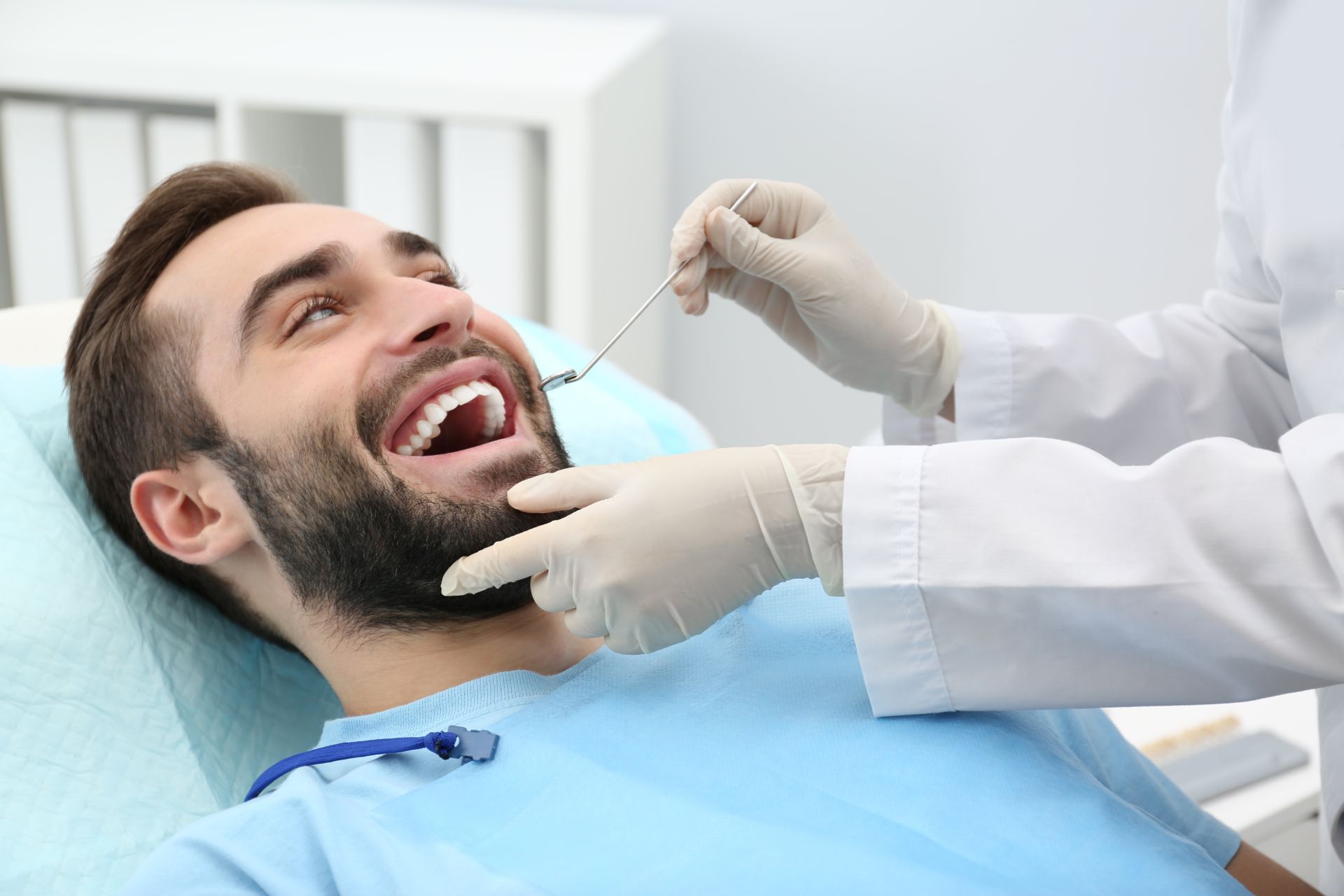
At Taylor Made Smiles, every root canal is approached with your comfort in mind. The goal is to relieve the pain caused by an underlying infection through careful technique and thorough numbing throughout treatment.
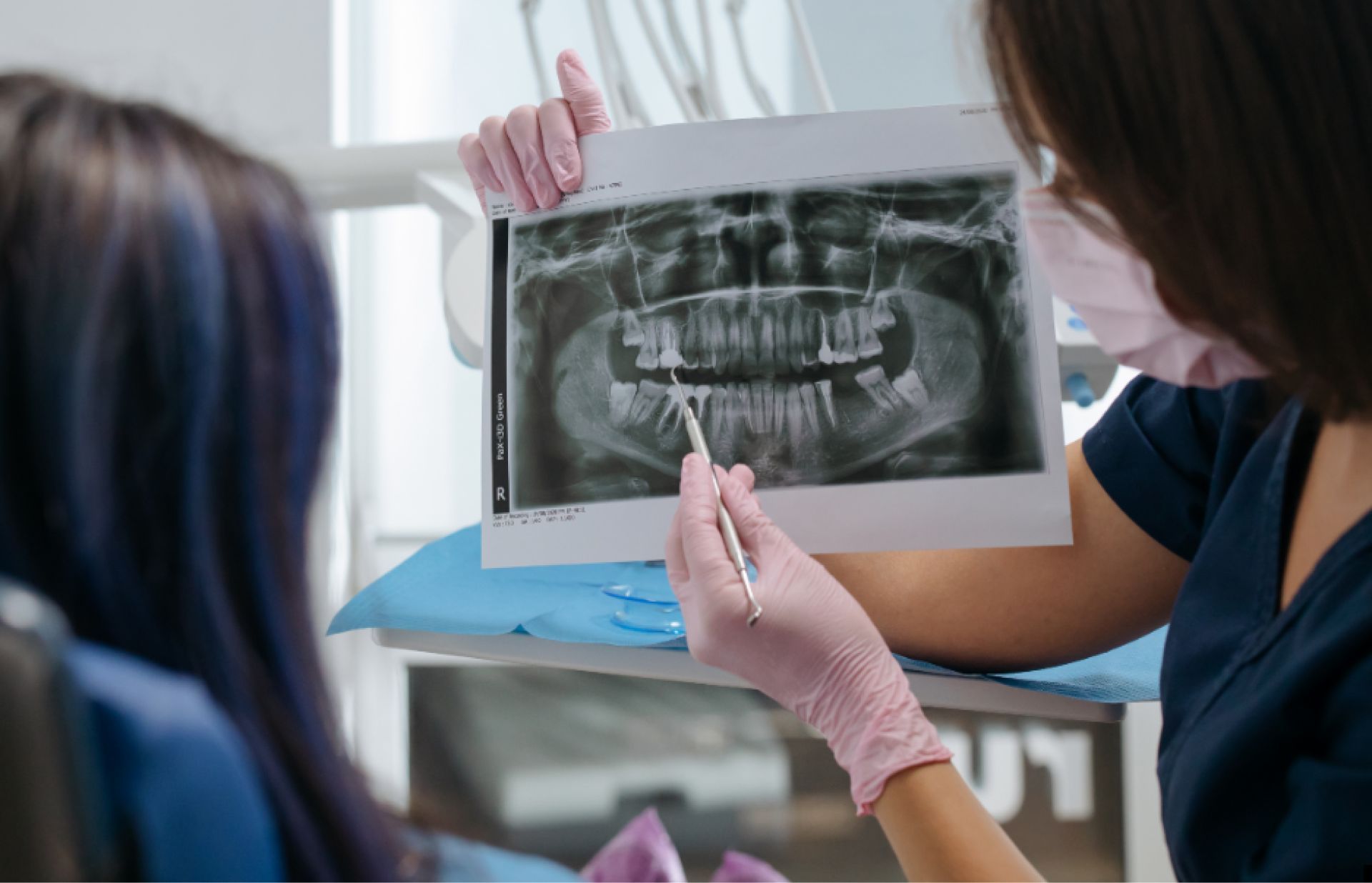
The process typically begins with an examination and
X-rays to confirm the diagnosis and get a clear picture of the tooth's root canals. Once we have that picture, the area is thoroughly numbed to keep you comfortable throughout the appointment.
From there, we create a small opening to access the pulp chamber and carefully remove the infected or damaged tissue. The inner canals are cleaned, shaped, and disinfected to remove bacteria and reduce the risk of reinfection. Once the canals are clean, they are filled with a biocompatible material and sealed to protect the tooth going forward.
Depending on the tooth and the extent of the infection, root canal therapy may be completed in a single visit or may require a follow-up appointment. Either way, the goal is the same: fully clear the infection and seal the tooth so it can heal properly.
In many cases, a tooth that has had root canal therapy will need a crown afterward. Since the procedure can leave a tooth more brittle than before,
a crown helps restore its strength and protect it for everyday use.
We aim to keep every step of the appointment as comfortable as possible. Because the area is numb and the infected tissue causing the pain has been removed, most people find they feel noticeably better once treatment is complete
Root Canal vs. Extraction
When a tooth is severely infected or damaged, there are generally two paths forward: root canal therapy or extraction. Whenever it is a viable option, we recommend root canal therapy because keeping your natural tooth carries lasting benefits.
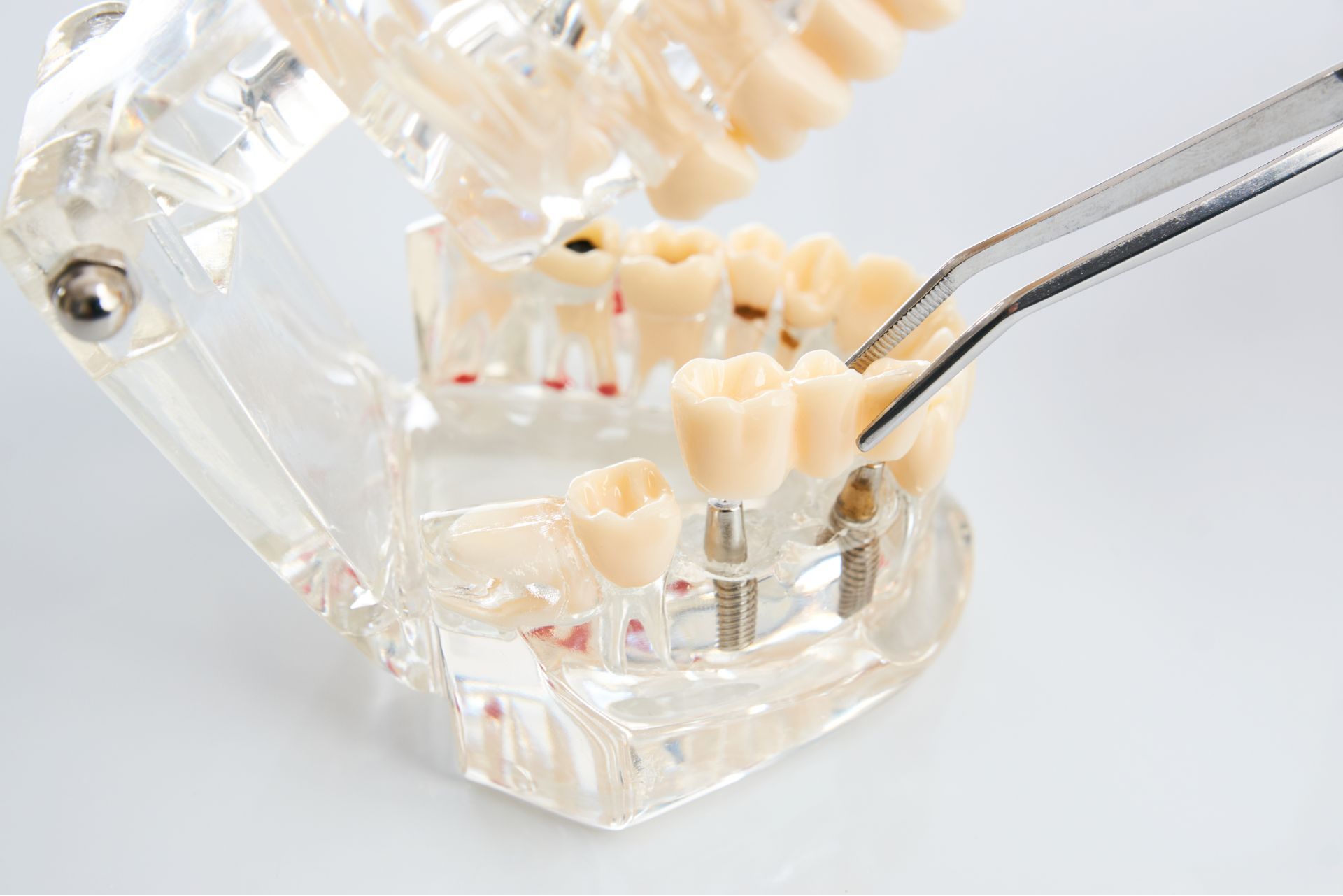
Natural teeth help distribute chewing pressure evenly across your bite, support the position of neighboring teeth, and help preserve the structure of your jawbone over time. Extraction, on the other hand, often involves considering a replacement option, such as a bridge, an implant, or an implant-supported denture, to fill the gap and prevent shifting.
Saving the tooth with root canal therapy is usually the simpler and more straightforward path toward a healthy, functional smile.
Recovery and Aftercare
Recovery from root canal therapy is usually straightforward. It is normal to experience mild soreness or sensitivity in the treated area for a few days, especially while chewing. Over-the-counter pain relief is typically enough to manage any discomfort.
We recommend sticking to softer foods for the first day or two and avoiding chewing directly on the treated tooth until a permanent crown or filling is in place. Continuing your normal brushing and flossing routine helps protect the tooth and supports healing.
If you notice swelling, a fever, or pain that worsens, give us a call. These signs are uncommon, but they can indicate the tooth needs additional attention.
Why Choose Taylor Made Smiles for Root Canal Therapy in Monroe, GA
We know that for some, hearing "you need a root canal" can bring on nervousness, and we take that seriously. Our dentists and team take the time to walk you through your diagnosis, explain what to expect, and answer questions before moving forward with treatment. Our goal is always to help you keep your natural tooth healthy and pain-free, in an environment where you feel informed and at ease every step of the way, whether this is your first visit with us or you have been part of our dental family for years.
If a tooth has been bothering you, or you have noticed any of the signs described above, give us a call at (770) 267-4404 to schedule an evaluation, or
visit our website to learn more about how we help patients throughout Monroe protect their smiles.