A Simple Guide to Dental Bonding
If you have ever noticed a small chip, a slight gap, or a spot of discoloration on a tooth, dental bonding might be the simplest way to address it. It is one of the most straightforward options in cosmetic dentistry, often completed in a single visit with results that blend naturally with the rest of your smile. Patients sometimes ask how bonding stacks up against veneers or crowns, since all three can improve the look of a tooth in different ways. This guide covers what dental bonding is, when it works well, how it compares to veneers and crowns, and what to expect during the appointment.
What Is Dental Bonding?
Dental bonding uses a tooth-colored composite resin that is applied directly to the tooth. The material is shaped by hand to correct the chip, gap, or area of discoloration, then hardened with a curing light to set it in place. Once the resin is polished, it blends closely with the surrounding enamel. The same material can also be used as a tooth-colored alternative to traditional fillings in some cases, giving it a role in both cosmetic and restorative dentistry.
Bonding significantly differs from veneers. Veneers are custom-made in a lab from an impression of your teeth, which typically means at least two appointments to place them. Bonding is completed entirely at the tooth, in one visit, since there is no lab work involved. That makes it one of the quickest cosmetic options available, though it isn't always the right fit for every situation, which is where the comparison later in this guide comes in.
When Bonding Is the Right Choice
Bonding tends to work best for smaller, more contained concerns. A few common examples:
Chips and Minor Cracks
A small chip from biting into something hard, or a minor crack along the edge of a tooth, is one of the most common reasons patients consider bonding. The resin fills in the missing structure and is shaped to match the tooth's original contour.
Small Gaps Between Teeth
If you have a small gap between two teeth, bonding can be used to close it in a single appointment. The resin is applied to the sides of the teeth involved to bring them visually closer together.
Minor Discoloration
For teeth with discoloration that isn't easily corrected with whitening alone, bonding can cover the affected area with a resin that closely matches the surrounding shade.
Bonding vs. Veneers vs. Crowns: Choosing the Right Fit
Bonding, veneers, and crowns are often mentioned together because they all improve the appearance of a tooth, but each one is suited to a different level of concern.
Bonding works well for small, contained fixes: a chip, a gap, or a spot of discoloration on an otherwise healthy tooth. It is the least invasive of the three, and no tooth structure needs to be removed to place it. It also tends to be the most budget-friendly of the three options, which makes it a popular starting point for smaller cosmetic concerns.
Veneers are a better fit when a patient wants to change the appearance of several teeth at once, or when the color or shape change needed is more significant than bonding alone can achieve. Because veneers are custom-made and bonded to a thin layer of prepared enamel, they tend to hold their color and shape for many years.
Crowns come into play when a tooth needs more than a cosmetic fix. If a tooth is significantly decayed, cracked, or structurally weakened, a crown covers the entire visible portion of the tooth and restores its strength for everyday use, something bonding and veneers are not designed to do. Our same-day crown technology allows many crowns to be completed in a single visit as well.
Your dentist can help determine which option aligns with both the health of the tooth and the results you are hoping for.
What to Expect During Your Bonding Appointment
Because there is no lab work involved, dental bonding is typically completed in one appointment.
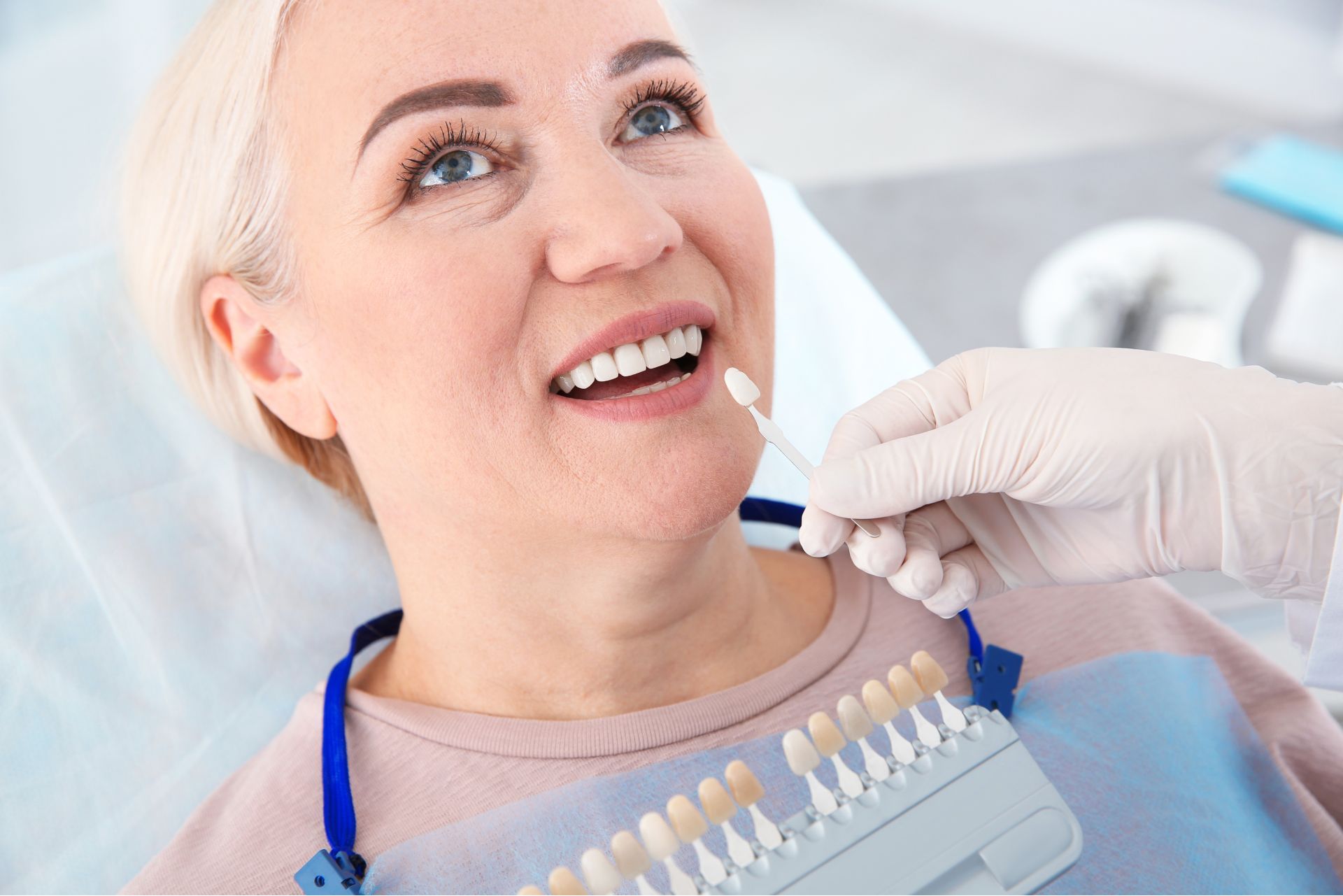
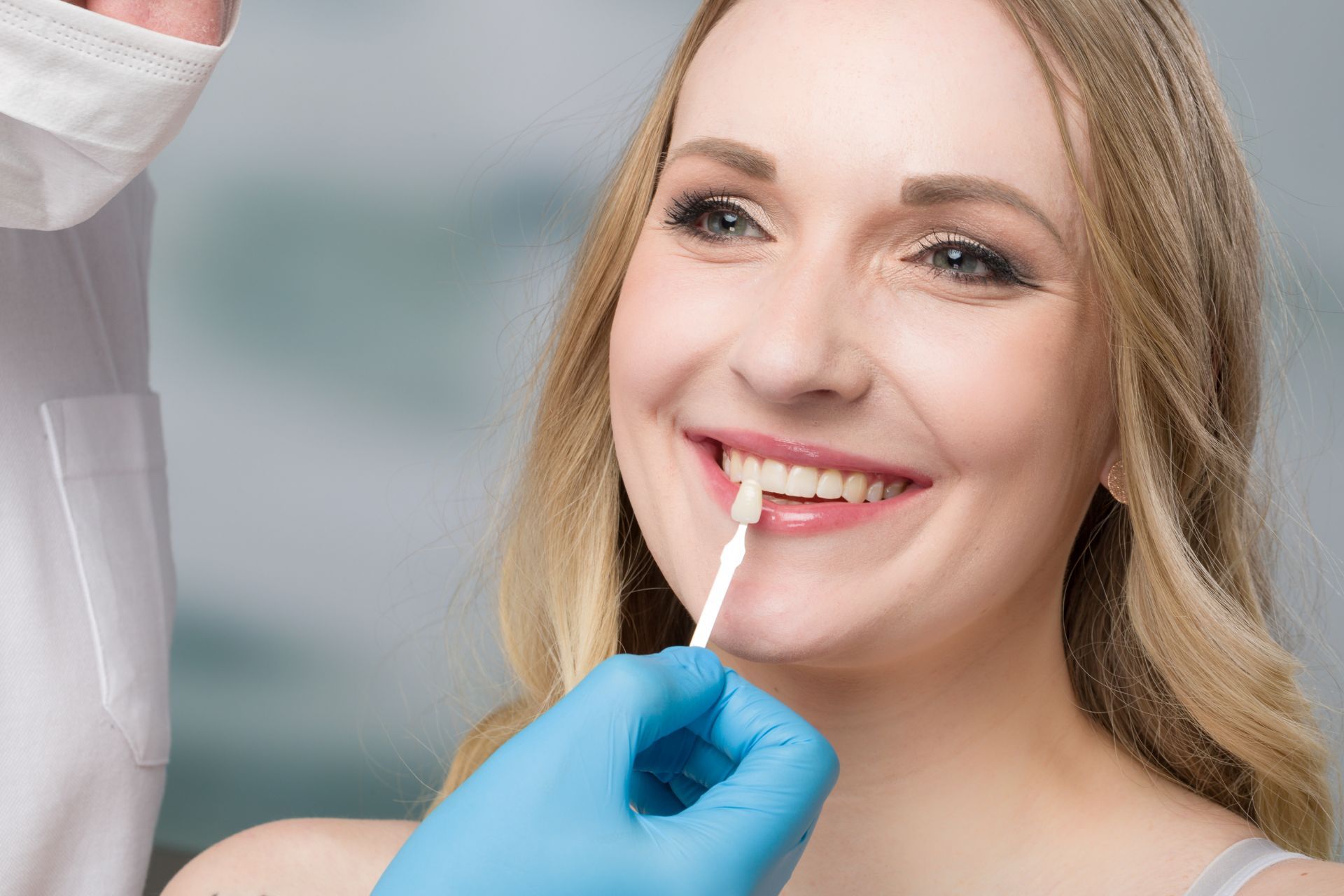
The process begins with your dentist selecting a resin shade that closely matches your natural tooth color. The surface of the tooth is then lightly prepared so the material adheres properly. From there, the resin is applied in layers and shaped by hand to achieve the right contour.
Once the shape looks right, a curing light hardens the resin in place within seconds. Your dentist will then trim, smooth, and polish the bonded area so it blends with the surface of the surrounding tooth.
Anesthesia is often unnecessary for bonding, since the treatment typically doesn't involve the deeper layers of the tooth. If bonding is being used to fill a cavity, numbing may be recommended first.
Most bonding appointments take less than an hour, depending on how many teeth are involved and the extent of the correction needed. Because the results are visible right away, you can leave the same day with a completed smile, without waiting for a lab to fabricate anything.
Caring for Bonded Teeth
Bonded teeth do not require any special daily routine beyond regular brushing and flossing. A few habits can help the bonding material last as long as possible.
Composite resin can pick up stains more easily than natural enamel, so it helps to be mindful of coffee, tea, red wine, and tobacco use in the days after treatment and over time.
The material is also less durable than natural tooth structure, so it is best to avoid biting down on ice, pens, fingernails, or other hard objects, since these habits can chip the bonding.
With reasonable care, bonding can last several years before it needs to be touched up or replaced, and small chips or wear spots can often be repaired without having to redo the entire tooth. Keeping up with your regular dental visits allows us to check the bonded area and address any wear before it becomes a bigger issue.
Why Choose Taylor Made Smiles for Dental Bonding in Monroe, GA
Not every cosmetic concern calls for the same solution, and our team takes the time to look at the whole picture before recommending bonding, a veneer, or a crown. Our goal is to find the option that fits the tooth, your budget, and the results you want to see.
If you have a chip, gap, or area of discoloration you have been wanting to address, we are happy to take a look and walk you through your options.
Give us a call at (770) 267-4404 to schedule an evaluation, or
visit our website to learn more about how dental bonding and our other cosmetic services can help you feel confident in your smile.