Toothache Relief: What You Can Do Until You See Your Dentist
A toothache has a way of showing up at the worst possible time, and once it starts, it can be hard to think about anything else. The good news is that a few simple steps can help you feel more comfortable while you arrange to be seen. In this post, we cover the common reasons a tooth hurts, what you can do at home, what to avoid, and the signs that mean you should call us at Taylor Made Smiles right away. We also walk through what happens at your visit, so you know what to expect when you come in.
Common Reasons a Tooth Hurts
Tooth pain can come from several different sources, and the source determines the treatment. Decay is one of the most common. As a cavity grows, it can reach the sensitive layers inside the tooth, which is why a filling placed when the cavity is found is usually a simple repair, whereas a deeper cavity may require more work. A cracked or broken tooth can also hurt, especially when you bite down or when the tooth meets something hot or cold. Sometimes the cause is something as simple as a piece of food caught between two teeth and pressing on the gum.
Infection is a more serious cause. When bacteria reach the nerve inside the tooth, the pain is often constant or throbbing, and treatment may involve a root canal to clear the infection and save the tooth.
Gum problems can cause discomfort, too, and it can be hard to tell the difference between a sore gum and a sore tooth. Whatever the cause, a toothache indicates that something needs attention, so it is a good idea to have it checked, even if the pain comes and goes.
Simple Steps to Ease the Pain at Home
While you wait for your appointment, these steps can help you stay more comfortable. They ease symptoms for a short time but do not treat the cause, so you will still want to have the tooth examined.
Rinse and Clear the Area
Start by rinsing your mouth gently with warm water. A toothache is sometimes caused or made worse by food lodged between the tooth and the one next to it, and rinsing can clear it away. If something still feels stuck, try flossing carefully around the tooth. Avoid poking the area with a toothpick or any sharp object, as it can irritate the gum and make things worse.
Take Care With Pain Relievers
Over-the-counter pain relievers can take the edge off while you wait. Take them by mouth and follow the directions on the label. Avoid placing aspirin directly on the tooth or gum. It may sound like a quick fix, but as the aspirin dissolves against the gum, it can harm the tissue. If you have a health condition or take other medications, check with your doctor or pharmacist before choosing a pain reliever.
Use a Cold Compress for Swelling
If your cheek feels puffy or tender, hold a cold compress against the outside of your face for short periods. Place a thin cloth between the ice and your skin so the cold does not irritate it. Cold can help calm swelling and dull the ache, though keep in mind that swelling is also one of the signs that you should make an appointment to have the tooth looked at.
What to Avoid While You Wait
A few habits can make a sore tooth feel worse. Try to avoid very hot, very cold, or sugary foods and drinks, since they can set off sensitivity. Chew on the opposite side of your mouth, and skip hard or crunchy foods that put pressure on the sore tooth.
It is also best not to ignore a toothache that suddenly goes quiet. When the pain fades, it can feel like the problem has gone away, but sometimes it means the nerve inside the tooth has been damaged and the underlying issue is still there. A tooth that stops hurting still needs to be checked.
When to Call Us Right Away
Some symptoms should not be ignored until a convenient time. Call us as soon as you can if your pain lingers or keeps getting worse, if you have a chipped or broken tooth, or if you notice swelling in your cheek or jaw. Changes in your gums, such as swelling, tenderness, or a small bump near the sore tooth, can point to an infection. A bad taste in your mouth or a fever can also be signs of infection.
If the swelling spreads to your face or neck, or you have trouble breathing or swallowing, do not wait to be seen. Seek emergency medical care right away.
When you call, we’ll want to know where the tooth hurts, how long it has been bothering you, and whether you have noticed swelling or a fever. That will help us understand what is going on and decide on the best next step. Our team handles dental emergencies, so please do not hesitate to reach out.
What Happens at Your Visit
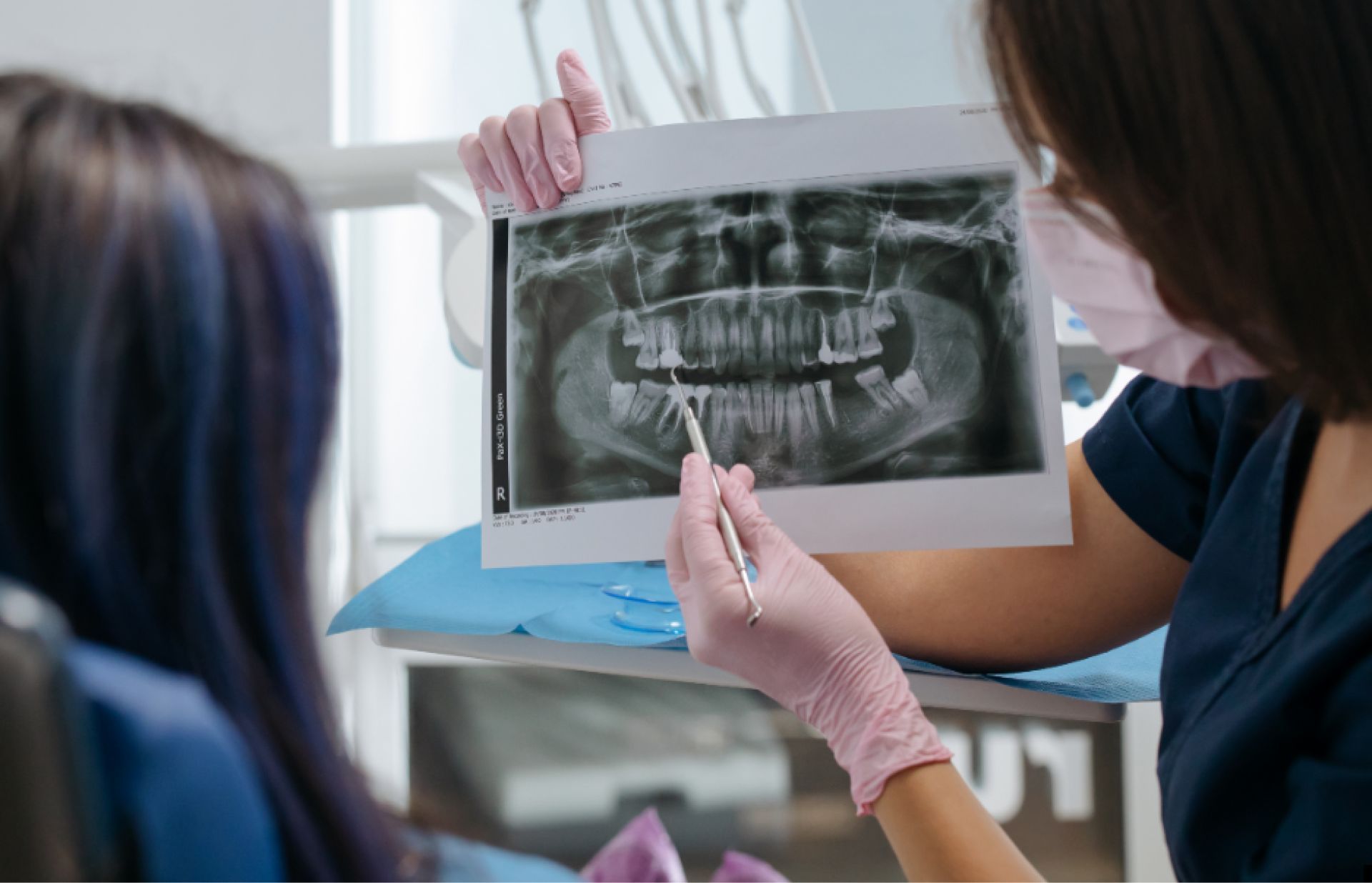
When you arrive for your appointment, we’ll start by listening. We’ll ask when the pain began, what makes it better or worse, and whether anything else has changed. Then we will examine the tooth and surrounding gums and take X-rays to see what is happening beneath the surface, including the roots and bone, where a problem can hide from view.
From there, we’ll explain what we found and talk through your options. Treatment depends on the cause. A cavity may need a filling, and an infected nerve may call for root canal therapy. If a tooth is cracked or broken, a same-day crown can restore its shape and strength, and many crowns can be completed in a single visit. Whatever we recommend, we’ll make sure you understand the plan before we begin, and we will be happy to answer any questions along the way.
Helping Prevent Future Toothaches
Many toothaches begin with problems that were not causing any pain yet. Regular exams and cleanings give us the chance to catch early decay, worn fillings, and gum concerns while they are still simple to treat. At home, brushing twice a day, flossing daily, and limiting sugary snacks and drinks help protect your teeth between visits.
If you notice a tooth that feels sensitive or a spot where food keeps catching, mention it at your next appointment, even if it does not hurt yet. Small details like these often point us to a problem early.
Why Choose Taylor Made Smiles for Dental Emergencies in Monroe, GA
Tooth pain is stressful, and we want you to feel heard from the first phone call. Our team takes the time to listen, explain what is going on, and walk you through your options so you can make decisions with confidence. Whether you are a longtime patient or have not seen a dentist in a while, we are here to help you find relief and get back to feeling like yourself.
If you have a toothache, a chipped tooth, or pain that will not go away, give us a call at (770) 267-4404. You can also
visit our website to learn more about the dental services we offer families throughout Monroe.